Halal meal prep: a week of recipes and what to check
Most meal prep is easy to make halal: use halal meat, skip pork and alcohol, and check a few labels. A week of recipes from this site that fit.
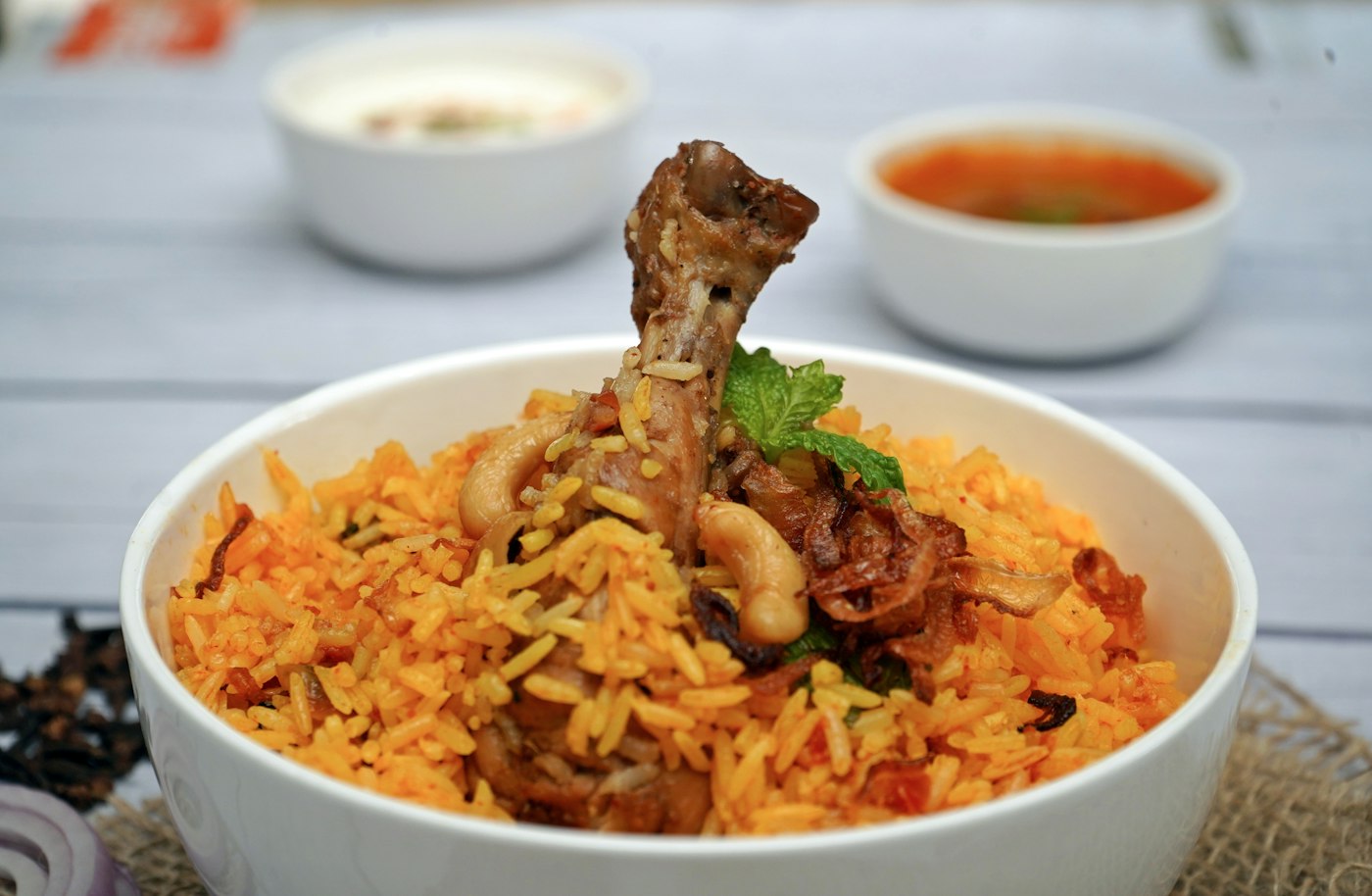
Photo by Mario Raj on Unsplash
Halal meal prep is ordinary meal prep with three rules: use halal meat and poultry, leave out pork and alcohol, and check the labels of a few processed ingredients. Most of the recipes on this site already fit with no changes, or with halal chicken and beef in place of supermarket meat. This guide covers the practical side; for questions of religious practice, follow the guidance of your own scholar or community.
Which recipes on this site work for halal meal prep?
None of the recipes on this site use pork, and none cook with wine or spirits. A few breakfast recipes use a teaspoon of vanilla extract, which contains alcohol (see below). With halal meat and alcohol-free vanilla, they all fit. Good choices for a week:
- Chicken tikka with rice and peas, a yogurt-marinated chicken dish.
- Coconut chickpea curry, which needs no meat at all.
- Beef burrito bowls with halal ground beef (mince).
- Garlic chicken and rice bowls with halal chicken thighs.
- High-protein overnight oats for breakfast.
What labels should you check?
- Gelatin, often from pork, in some yogurts, desserts and sweets.
- Vanilla extract, which is made with alcohol; alcohol-free vanilla flavouring is widely sold. Several breakfast recipes here use a teaspoon of it.
- Stock cubes and broth, which can contain animal fats or flavourings; choose vegetable broth or halal-certified stock.
- Cheese made with animal rennet, if that matters to you; many cheeses use microbial rennet and say so.
- Ready-made sauces and marinades that may contain wine or alcohol.
Where do you buy halal meat for meal prep?
Halal butchers usually sell meat in larger cuts and bulk packs that suit batch cooking and are often cheaper per pound than supermarket packs. Many large supermarkets in the US and UK now sell halal-certified chicken and beef. Look for a certification mark you trust.
Does halal meat store differently?
No. Halal meat follows the same food safety rules as any other: raw ground meat 1 to 2 days in the fridge, cooked meat 3 to 4 days, and poultry cooked to 165°F (74°C). See how long cooked chicken lasts and how long ground beef lasts.
How do you plan a halal week?
Pick one chicken dish, one meat-free dish and one breakfast, and cook them on the weekend. The week planner adds the ingredients into one shopping list. During Ramadan, the same batch cooking works for suhoor and iftar: overnight oats and egg dishes for the early meal, curries and rice bowls that reheat quickly for the evening.
Is vegetarian food always halal?
Plant-based dishes are generally halal as long as they contain no alcohol and no animal-derived additives such as gelatin. The vegetarian and vegan recipes here, such as red lentil dishes, are a simple place to start. See also vegetarian meal prep for beginners.
More getting started guides
See all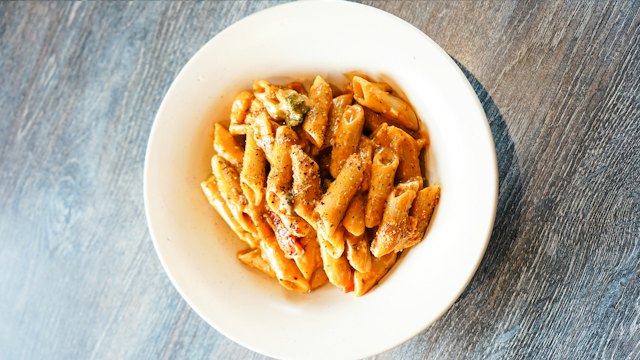
How long does cooked pasta last in the fridge?
Plain cooked pasta keeps 3 to 5 days in the fridge; pasta with sauce or meat keeps 3 to 4 days. How to store it so it does not go soggy or stick.
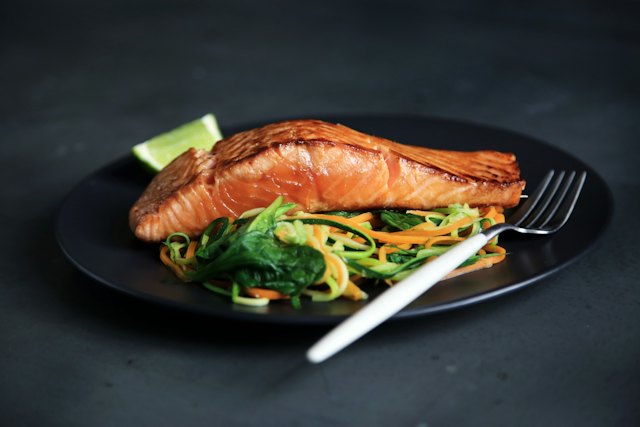
How long does cooked salmon last in the fridge?
Cooked salmon keeps 3 to 4 days in the fridge and 4 to 6 months in the freezer. Raw salmon keeps only 1 to 2 days. How to store and reheat it.
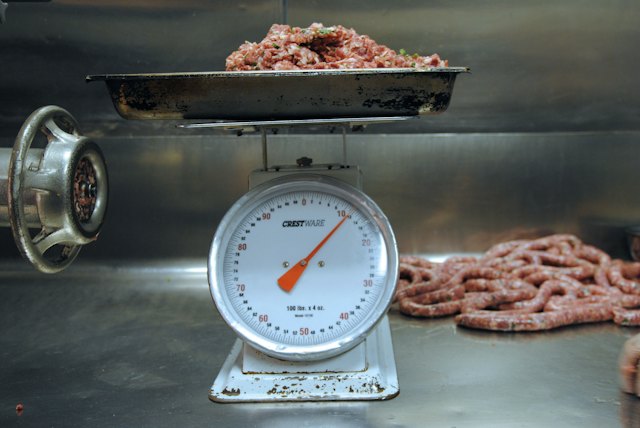
How long does ground beef last in the fridge?
Raw ground beef keeps 1 to 2 days in the fridge; cooked ground beef keeps 3 to 4 days. How to store it, freeze it and tell when it has gone off.