High-protein meal prep for beginners
Pick two proteins, cook each in one batch, and build every container around them. A full first week, step by step.
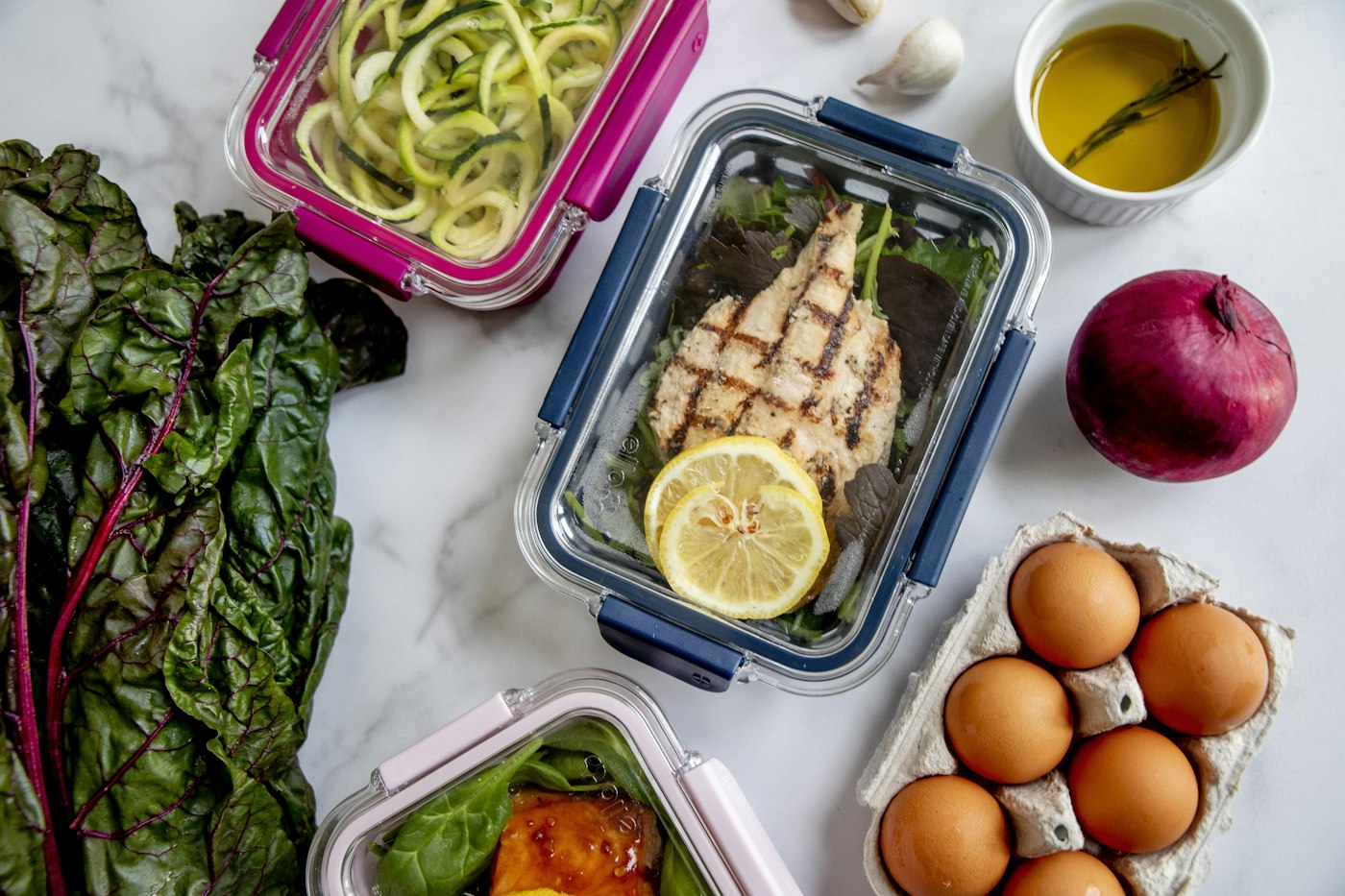
Photo by Ello on Unsplash
High-protein meal prep is ordinary meal prep with one change: you decide the protein before anything else. Everything else in the container is there to go with it. This guide covers what to buy, how much to cook and how to keep it from tasting dry on day four.
How much protein should each meal have?
There is no single correct number. Needs vary with body size, age, activity and health. Many adults aim for 20 to 40 grams in a main meal, which is a planning range and not a medical rule. If you have a kidney condition or another reason to watch protein, follow your doctor's advice. Our guide on how much protein a lunch should have shows what 30 grams looks like in real food.
Which proteins are best for meal prep?
The best ones are cheap, hard to overcook and still pleasant after reheating.
- Chicken thighs. They stay juicier than breast after four days. See breast or thigh for the trade-off.
- Ground turkey and lean ground beef, cooked in a sauce.
- Eggs, baked into muffins or bites.
- Greek yogurt and cottage cheese, for breakfast and snacks.
- Lentils, beans and extra-firm tofu.
- Canned tuna, for lunches that need no cooking.
Protein is usually the most expensive part of the shop. The list of the cheapest high-protein foods helps keep the bill down.
What does a first week look like?
Choose one breakfast, one lunch and one dinner, and eat each for four days.
- Breakfast: high-protein overnight oats, about 34 g per jar.
- Lunch: beef burrito bowls, about 42 g.
- Dinner: garlic chicken and rice bowls, about 42 g.
That is well over 100 grams of protein a day before snacks. The figures are estimates and change with the brands you buy. Add all three to the week planner and it writes one combined shopping list.
How do you cook it in one session?
Start the rice first, because it needs no attention. Cook the chicken and the beef on the stove while it simmers. Assemble the oats last, since they need no heat. Leave the lids off until the food stops steaming, then refrigerate within two hours.
How do you stop the meat drying out?
- Use a thermometer and stop at 165°F for chicken and turkey, 160°F for ground beef.
- Rest meat for five minutes before slicing.
- Store it with its sauce or cooking juices.
- Reheat with a splash of water and a loose cover.
What about snacks?
A snack with protein covers the gap between meals. Hard-boiled eggs, cottage cheese snack boxes and yogurt pots all keep for days. There are more ideas in high-protein snacks to prep.
Where to go next
Browse every recipe with 30 grams or more in the high-protein category. If you do not eat meat, start with high-protein vegetarian meal prep.
Sources
More high protein guides
See all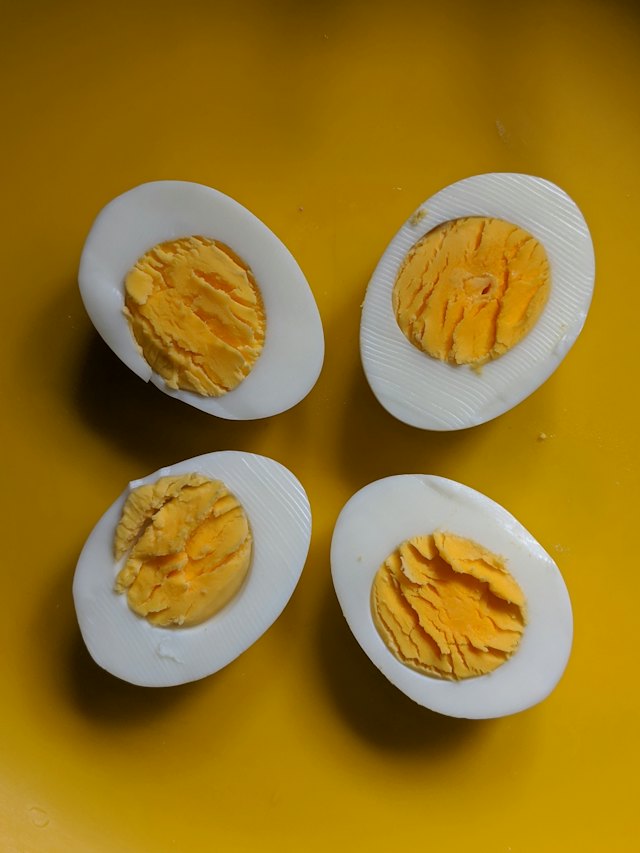
How long do hard-boiled eggs last?
One week in the fridge, peeled or in their shells. They do not freeze well, and they should not sit out for more than two hours.

High-protein lunches that need no microwave
Bento boxes, pasta salads and grain jars are built to be eaten cold. How to pack them, keep them safe and reach 30 grams.

Ground turkey meal prep: four meals from one pack
Chili, meatballs, taco bowls and stir-fry all start from the same family pack. How to cook it so it does not dry out.