Hitting your protein target without protein powder
Greek yogurt, eggs, beans and chicken thighs do most of the work. A sample day that reaches about 100 grams from groceries.
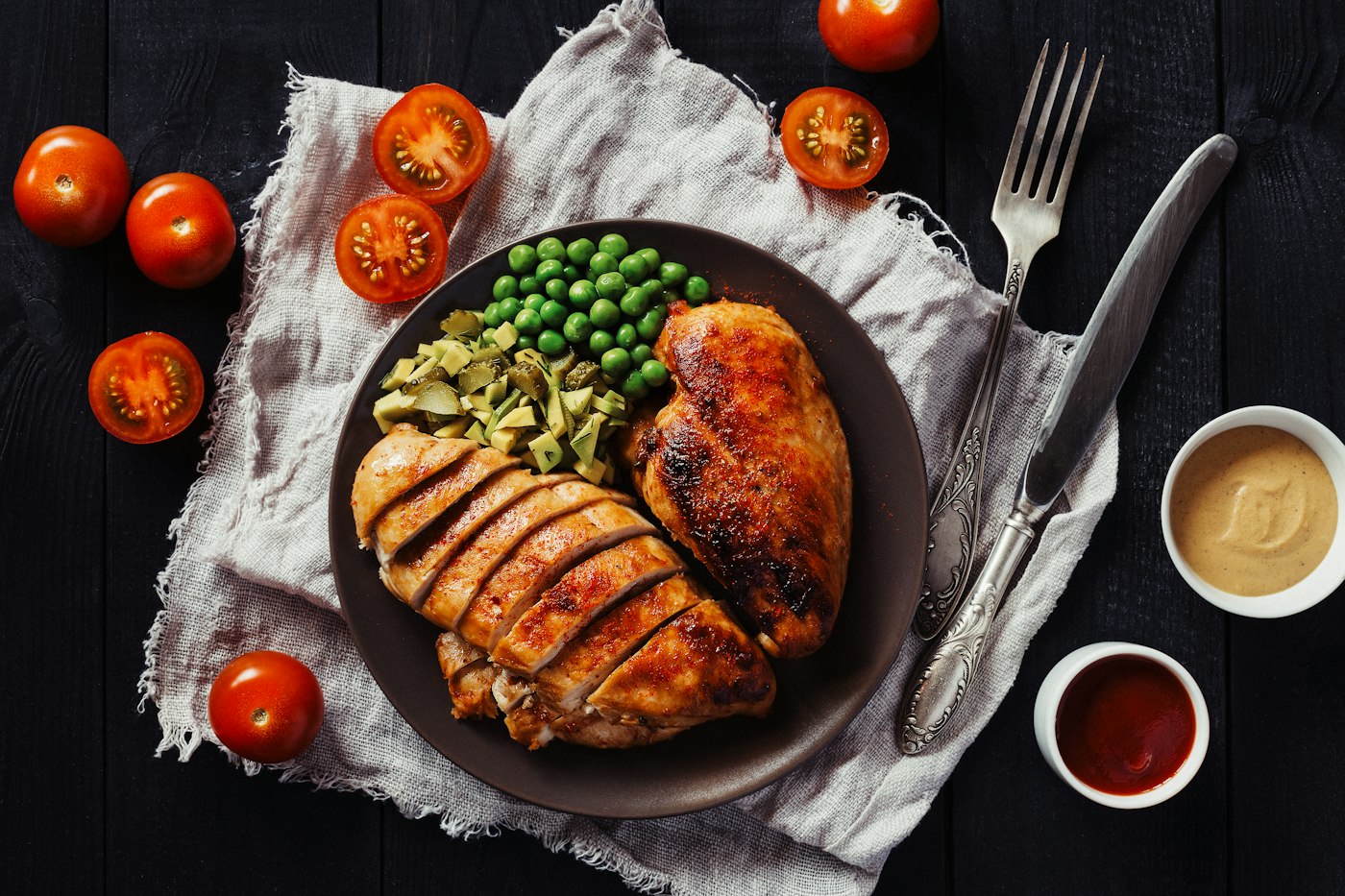
Photo by Elena Leya on Unsplash
Protein powder is convenient, but ordinary groceries can cover most people's needs if you spread protein across the day. How much you need depends on your body and goals, so ask a dietitian if you want a personal number.
Which everyday foods are highest in protein?
- Chicken, turkey and lean beef: about 25 to 30 grams per 4 oz cooked.
- Canned tuna: about 20 grams per 5 oz can.
- Plain Greek yogurt: about 17 to 20 grams per cup.
- Cottage cheese: about 24 grams per cup.
- Eggs: about 6 grams each.
- Lentils: about 18 grams per cooked cup.
- Beans and chickpeas: about 15 grams per cooked cup.
- Extra-firm tofu: about 20 grams per half block.
- Peanut butter: about 8 grams per two tablespoons.
How do you build a meal around them?
Decide the protein first, then add a grain and a vegetable. This one habit matters more than any single ingredient. A meal planned around rice or pasta usually ends up low in protein. A meal planned around chicken or lentils does not.
What does a full day look like?
By the estimates on each recipe:
- Breakfast: high-protein overnight oats, about 34 g.
- Lunch: lemony tuna pasta salad, about 39 g.
- Snack: two hard-boiled eggs, about 12 g.
- Dinner: chicken tikka with rice and peas, about 45 g.
That is over 110 grams with no powder. Your total depends on portions and the brands you buy.
Where do people usually fall short?
At breakfast and in snacks. Toast, cereal and fruit have very little protein. Swapping to a yogurt or egg breakfast and one protein snack often closes the gap. See high-protein breakfast meal prep and high-protein snacks to prep.
Is powder ever worth it?
It can be useful if you have a very high target, a small appetite or no time to eat. It is a supplement to meals, not a replacement. If you use it, stir it into oats or pancake batter. Nothing on this site requires it.
What about cost?
Lentils, eggs, canned tuna and chicken thighs are among the cheapest sources. Per gram of protein they compete well with powder, and they are a meal. See the cheapest high-protein foods.
What if you do not eat meat?
Combine two plant or dairy sources in each meal. The details are in high-protein vegetarian meal prep.
Where to go next
Every recipe with 30 grams or more per serving is in the high-protein category. For a first week laid out step by step, read high-protein meal prep for beginners.
More high protein guides
See all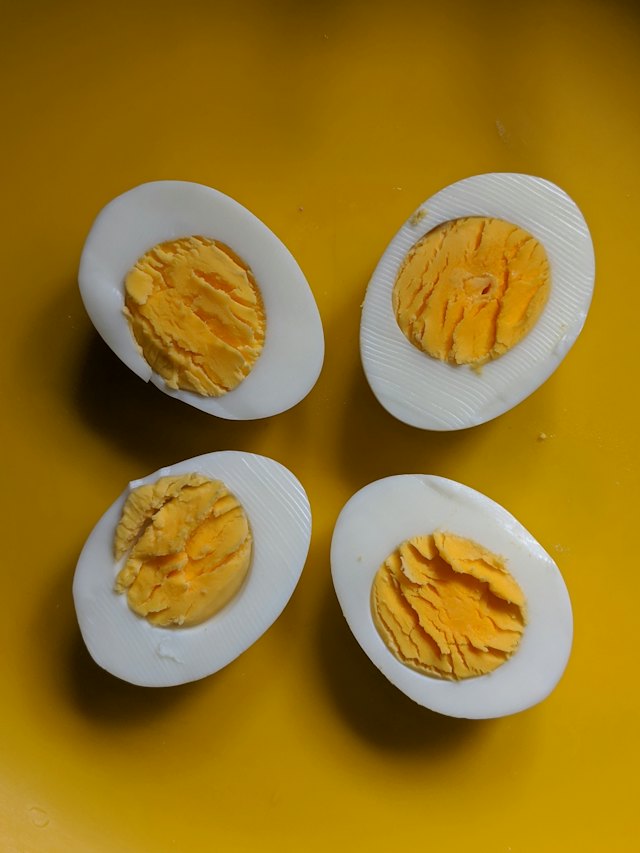
How long do hard-boiled eggs last?
One week in the fridge, peeled or in their shells. They do not freeze well, and they should not sit out for more than two hours.

High-protein lunches that need no microwave
Bento boxes, pasta salads and grain jars are built to be eaten cold. How to pack them, keep them safe and reach 30 grams.

Ground turkey meal prep: four meals from one pack
Chili, meatballs, taco bowls and stir-fry all start from the same family pack. How to cook it so it does not dry out.