Glass or plastic containers: which should you buy?
Glass for anything you reheat. Light plastic for cold lunches you carry. What to look for, and how many to buy first.
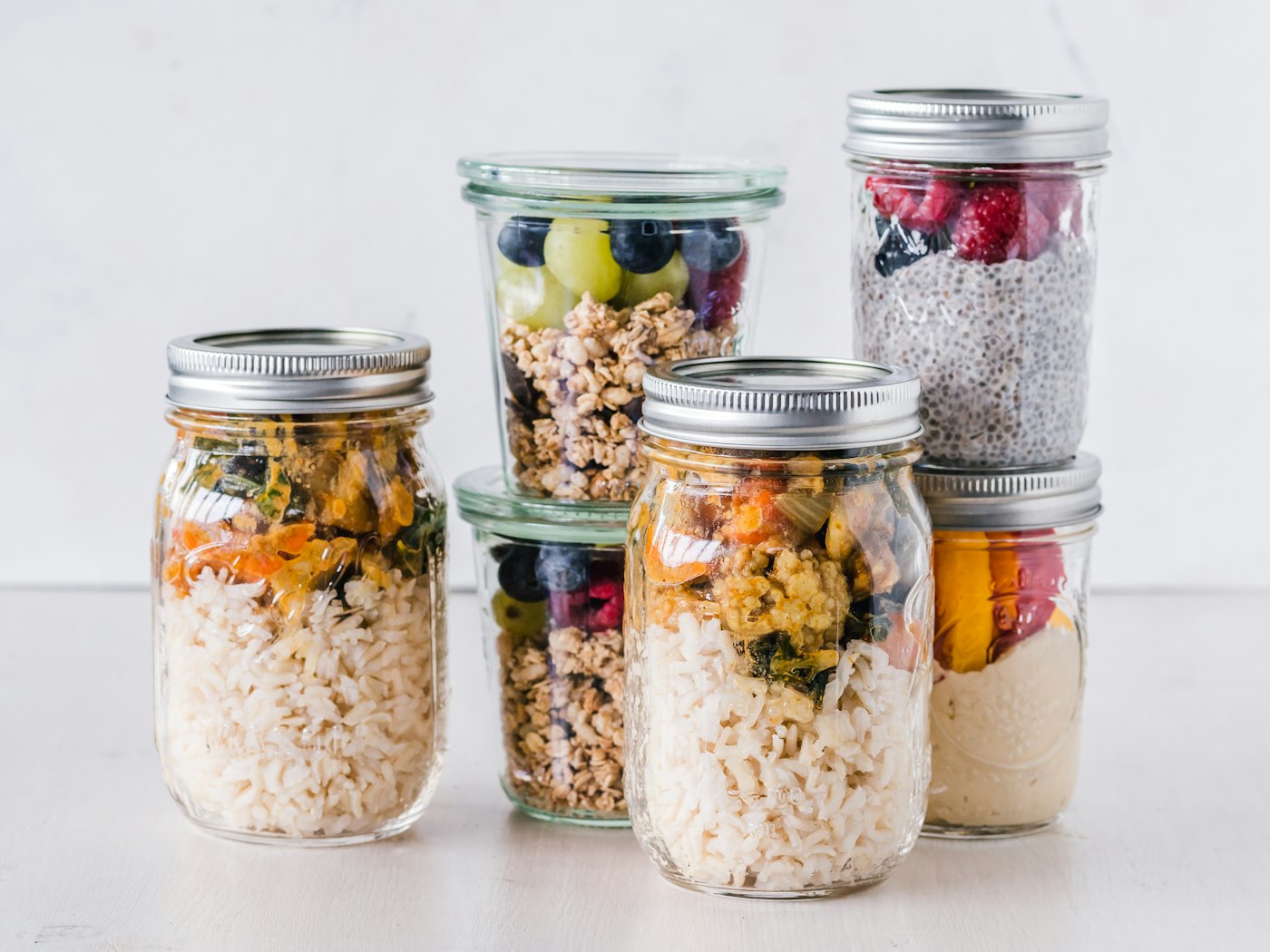
Photo by Ella Olsson on Unsplash
You do not need a matching set of thirty. Start with five containers of one size and add to them when you know what you actually cook.
What are the advantages of glass?
- It does not stain from tomato sauce or curry.
- It does not hold smells.
- It goes from fridge to microwave to dishwasher.
- It lasts for years.
The drawbacks are weight and breakage. A bag with five glass containers is heavy, and they can chip or shatter if dropped.
What are the advantages of plastic?
- It is light, which matters if you carry lunch on foot or by bike.
- It is cheap, so losing one is not a problem.
- It does not break.
The drawbacks are that it stains, holds smells over time and can warp in the dishwasher.
Is plastic safe in the microwave?
Only heat food in plastic that is labelled microwave-safe. Loosen the lid first. If a container is scratched, cloudy or warped, replace it. If you are unsure, tip the food onto a plate to reheat it.
Which should you use for what?
- Meals you reheat: glass. Coconut chickpea curry and turkey chili stain plastic badly.
- Cold lunches you carry: plastic or stainless steel. Hummus snack boxes and Greek chicken bento boxes suit light divided boxes.
- Breakfast jars: glass jars with screw lids.
- The freezer: bags for liquids, either material for assembled meals.
Are divided containers worth it?
Yes, when a meal has something wet next to something crisp. Hummus beside pita, or curry beside rice. They are available in both glass and plastic.
What about stainless steel?
It is light, unbreakable and does not stain. It cannot go in the microwave, so it suits cold lunches only.
What should you look for?
- Lids that clip on all four sides, with a silicone seal.
- A size around 3 cups for a full meal.
- A rectangular shape that stacks. Round containers waste fridge space.
- Lids that fit more than one size of base, if you buy a set.
Sizes are covered in what size containers you need.
Can glass go in the freezer?
Usually, if it is made for food storage. Leave room for liquids to expand, and thaw it in the fridge before reheating. See freezer bags or containers.
How do you make containers last?
Wash lids by hand or on the top rack. Let containers dry fully before stacking. Rinse tomato-based sauces out of plastic promptly.
What should you buy first?
Five 3-cup glass containers with clip lids, and a handful of 2 oz pots for sauces.
Where to go next
The rest of the kit is in the kitchen tools you need for meal prep.
Sources
More getting started guides
See all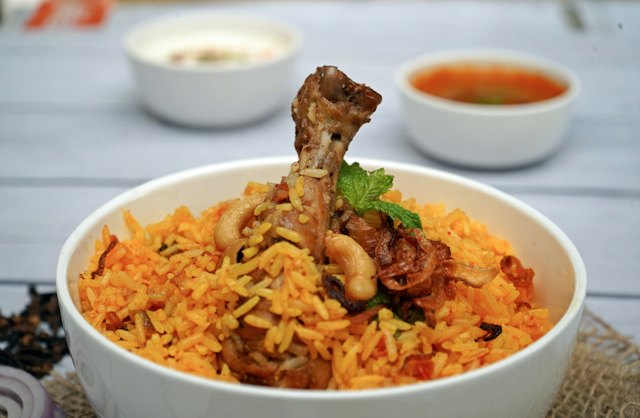
Halal meal prep: a week of recipes and what to check
Most meal prep is easy to make halal: use halal meat, skip pork and alcohol, and check a few labels. A week of recipes from this site that fit.
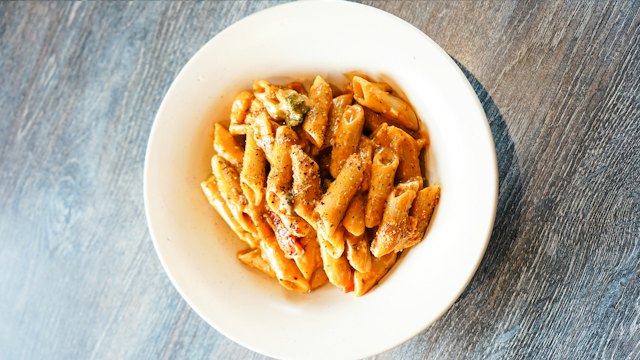
How long does cooked pasta last in the fridge?
Plain cooked pasta keeps 3 to 5 days in the fridge; pasta with sauce or meat keeps 3 to 4 days. How to store it so it does not go soggy or stick.
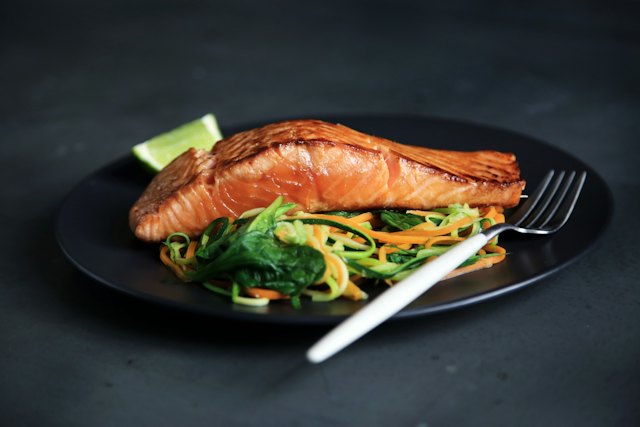
How long does cooked salmon last in the fridge?
Cooked salmon keeps 3 to 4 days in the fridge and 4 to 6 months in the freezer. Raw salmon keeps only 1 to 2 days. How to store and reheat it.