Meal prep for work when there is no fridge
Use an insulated bag with two ice packs, or pack food that is safe at room temperature. How to keep lunch cold or hot until noon.
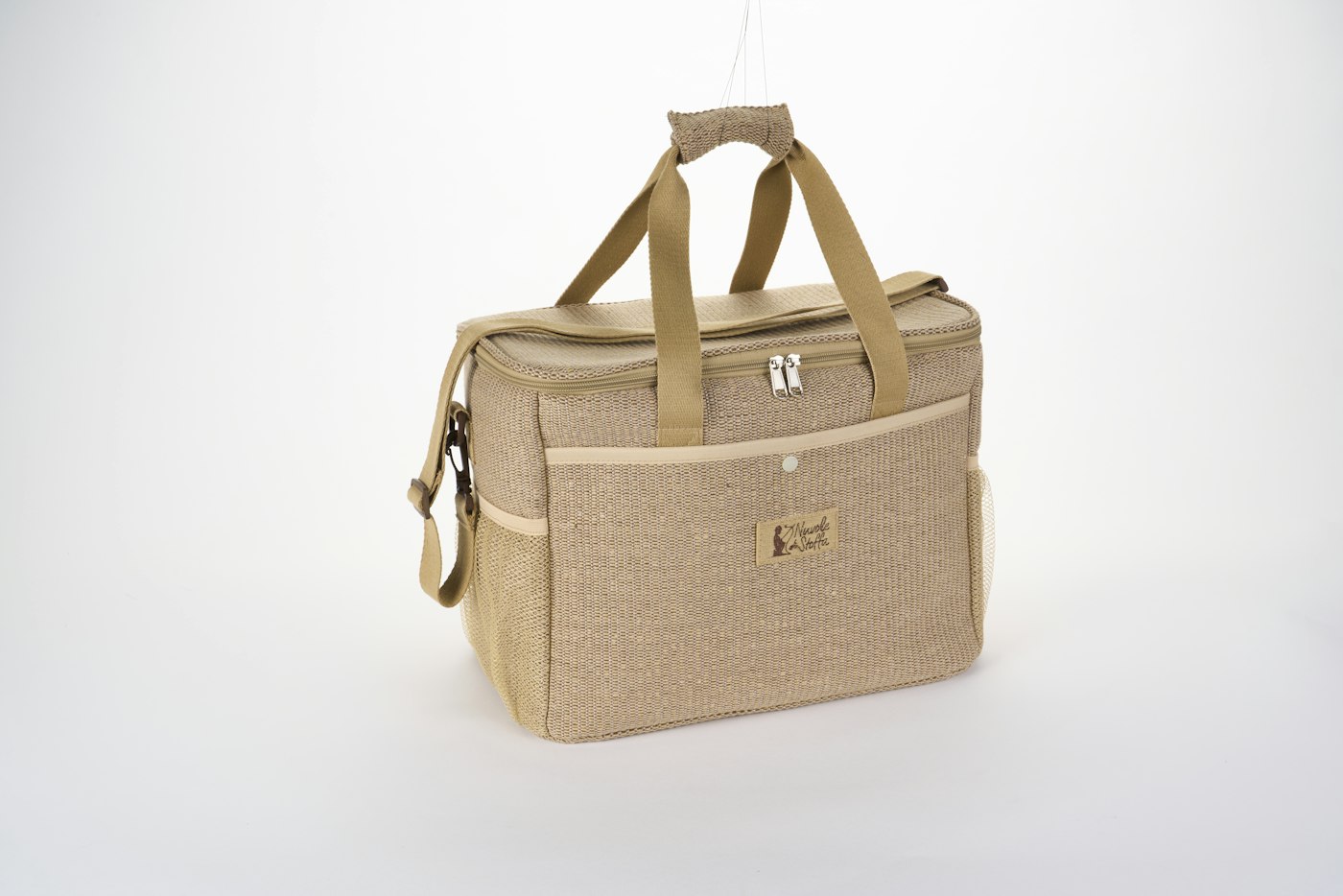
Photo by Md Ishak Rahman on Unsplash
Perishable food should not stay at room temperature for more than two hours, or one hour in hot weather. Without a fridge at work, you need to keep lunch cold yourself.
How do you keep lunch cold?
- Use an insulated lunch bag, not a paper or plastic one.
- Add at least two ice packs, one above and one below the food.
- Pack the food straight from the fridge, already cold.
- Keep the bag closed, out of the sun and out of a hot car.
A frozen water bottle or a frozen pot of yogurt works as an ice pack and thaws by lunchtime.
How long does that last?
A good insulated bag with two ice packs keeps food cold for several hours, which covers a normal morning. If the ice packs are still partly frozen at lunch, the food has stayed cold enough.
How do you keep lunch hot?
Use an insulated food flask. Fill it with boiling water for a few minutes first, empty it, then add food heated until steaming. Close it straight away. Soup, chili and curry stay hot for several hours. This suits black bean soup, turkey chili and chickpea curry.
Which foods do not need chilling?
Whole fruit, nuts, peanut butter, crackers, bread and unopened cans or pouches of tuna are safe at room temperature. No-bake oat energy bites are fine for a day out of the fridge.
Which lunches suit a cool bag?
Ones designed to be eaten cold:
- Greek chicken bento boxes
- Lemony tuna pasta salad
- Lentil and feta lunch jars
- Pesto chickpea pasta salad
- Hummus snack boxes
All of these are in the no-reheat category.
Can you freeze the lunch itself?
For some dishes, yes. A frozen portion of soup in a flask-free bag will thaw by noon, but it still needs reheating. A frozen breakfast burrito will not thaw safely on a desk. As a rule, use ice packs and keep the food itself chilled, not frozen.
What about a commute in summer?
Heat shortens every time limit. In hot weather, keep the bag with you and not in a parked car, and use an extra ice pack.
When should you throw it away?
If the ice packs have fully melted and the food feels warm, do not eat it. This matters most for meat, fish, eggs, dairy and cooked rice.
Which containers work best?
Light, leak-proof ones that fit the bag. Stainless steel and plastic are lighter than glass. See glass or plastic containers.
Where to go next
If the problem is the microwave and not the fridge, see high-protein lunches that need no microwave.
Sources
More lunch and snacks guides
See all
Meal prep snack ideas that keep all week
Prepare snacks in portions on Sunday so they are as easy to grab as a packet. No-cook and make-ahead ideas that keep all week.
Meal prep lunch ideas for work
Rotate between a bowl, a cold box, a soup and a pasta salad to keep the week varied. Fifteen work lunches, grouped by type.